
When you think of a classic Corvette, you might picture sweeping curves, rumbling V8s, and that iconic silhouette cruising down an open highway. Yet, what makes these vintage sports cars so memorable isn’t just their looks—it’s the synergy between form and function that sets them apart. A successful Corvette restoration must honor both aspects, preserving the car’s timeless beauty and its exhilarating performance. Here’s how bringing a classic Corvette back to life achieves this delicate balance.
Emphasizing Authentic Design
A Corvette’s visual appeal is often the first thing that captures hearts. Whether it’s the sleek lines of a C1 or the aggressive angles of a C3, each generation has a style all its own. Restoring that aesthetic isn’t simply about polishing the paintwork; it involves a meticulous process of researching original color palettes, body panel shapes, and even small trim details.
Authenticity is key for many collectors who view their Corvette not just as a car, but as a piece of rolling history. Factory-correct components—like original emblems, era-specific interior materials, and correct badging—bring the vehicle’s original personality back to life. The end result is a showstopper that looks as if it just rolled off the assembly line decades ago.
Harnessing the Power Under the Hood
Performance is where the Corvette first earned its stripes. From the Blue Flame six-cylinder in early C1s to the high-horsepower engines introduced in later generations, a Corvette isn’t truly itself without that signature roar. Restoring mechanical components—be it the engine, transmission, or suspension—isn’t just about making the car run again; it’s about ensuring it performs at the level enthusiasts expect.
Many owners choose to rebuild or replace critical components with period-correct Corvette parts. Others opt for more modern upgrades to improve reliability, safety, or power without sacrificing the vintage essence. Whichever route you take, paying attention to everything from camshafts to carburetors ensures a classic Corvette that performs as impressively as it looks.
Importance of Metal Finishing
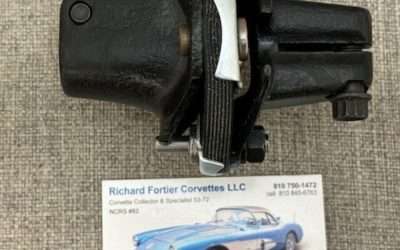
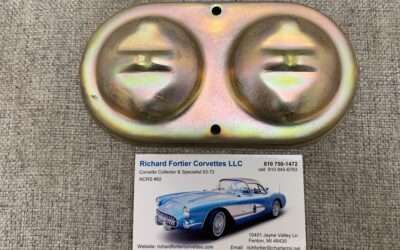
Restorations often succeed—or fail—based on the finer details. Metal finishing plays a pivotal role in elevating a Corvette’s aesthetic and functional qualities. Processes like chrome plating, cadmium plating, and phosphate plating do more than provide a show-ready shine; they protect vital components against rust and wear.
Chrome plating is especially eye-catching on bumpers, trim pieces, and interior accents, offering a reflective finish that highlights the car’s curves. Meanwhile, cadmium and phosphate coatings can safeguard under-hood hardware, brackets, and bolts. This dual purpose—enhancing style while preventing damage—serves as the backbone of a lasting restoration.
Tailoring the Restoration Plan
There’s no one-size-fits-all approach to Corvette restoration. Every project has its own set of needs and goals, which is why consultation with experienced professionals can be transformative. Perhaps you’re aiming for a concours-level build that prioritizes period accuracy, or maybe you want a driver-quality Corvette with modern conveniences.
A restoration consultation helps you map out a strategy, from which engine components to refurbish to selecting the right plating process for fasteners. Expert guidance keeps you on track, preventing the pitfalls of mismatched parts or unplanned expenses. By narrowing your focus, you can channel resources into the areas that matter most—be it bodywork, interior details, or under-the-hood performance.
Balancing Nostalgia with Practicality
The allure of a classic Corvette is partly emotional, rooted in nostalgia for a time when automotive design was about bold statements and raw power. Yet, practicality can still play a role. Modern electronic ignitions, upgraded brakes, and improved cooling systems are common enhancements that make a classic Corvette safer and easier to drive in today’s conditions.
Still, the trick is to preserve what makes the Corvette special. Swapping every component for new technology might boost performance, but it risks losing that vintage feel. Finding a middle ground—like adding a hidden modern sound system or upgrading to more efficient carburetors—can keep your Corvette both authentic and roadworthy.
The Test Drive: Where Beauty Meets Performance
Eventually, restoration moves from the workshop floor to the open road. This is where the true payoff comes. The engine fires up with a throaty rumble, polished chrome gleams in the sunlight, and the steering feels tight and responsive. That moment—when you realize that this classic machine looks as stunning as it did in its heyday and performs to match—is why so many dedicate time and resources to these projects.
This fusion of beauty and performance isn’t just about pride in craftsmanship; it’s also about capturing a slice of automotive history for future generations. Every purring engine and glossy paint job is a testament to the iconic design principles that made the Corvette a legend in the first place.
A Legacy Preserved
Classic Corvette restoration isn’t for the faint of heart. It demands a commitment to research, a careful selection of Corvette parts, and an understanding of techniques like chrome plating or cadmium finishing. Yet, for those who take on the challenge, the reward is twofold: a show-stopping piece of American automotive heritage and a performance machine that still holds its own on modern roads.
When the line between timeless style and spirited driving is blurred, you end up with something more than a restored car—you end up with a living legacy. That’s what keeps enthusiasts coming back to the Corvette brand generation after generation. And it’s why, when done right, classic Corvette restoration manages to preserve both beauty and performance in one unforgettable package.
0 Comments