
Few automobiles carry the same weight of American automotive history as the C1 Corvette. Debuting in 1953 and produced until 1962, the first-generation Corvette set the stage for decades of innovation, style, and performance. Its sleek lines, fiberglass body, and status as America’s premier sports car established a legacy that endures to this day. If you’re considering restoring one of these classics, you’re in for a rewarding yet challenging journey. Here’s what you need to know before diving in.
Understanding the Significance of the C1
The C1 Corvette broke new ground for Chevrolet, marking the company’s bold entry into the sports car market. At a time when American roads were dominated by large sedans, the C1’s two-seat configuration and streamlined profile captivated enthusiasts. Early models, powered by the 235-cubic-inch Blue Flame six-cylinder, later gave way to V8 engines that boosted both performance and appeal. Recognizing this heritage is crucial, because restoring a C1 Corvette isn’t just about fixing up an old car—it’s about preserving a piece of American automotive history.
Corvette Parts: Originality vs. Upgrades
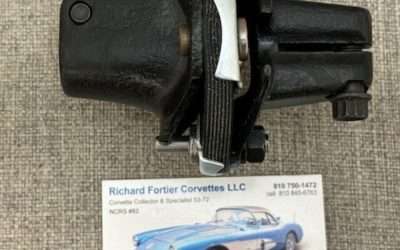
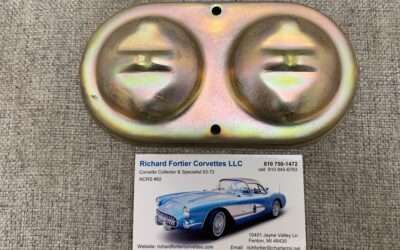
One of the first decisions you’ll make is how faithful you want your restoration to be. Do you dream of a numbers-matching masterpiece that could have rolled off the assembly line in 1957? Or are you open to modern enhancements that improve reliability and drivability? Access to Corvette parts has never been better; reproductions are widely available, and the internet makes it easier than ever to locate New Old Stock (NOS) components.
If you’re committed to originality, be prepared to invest time and resources in sourcing period-correct parts—from the correct manifold and carburetor to the right gauges on the dash. However, opting for newer technology, like electronic ignition or an upgraded cooling system, can make the car more suited for modern roads. The key is to strike a balance that respects the C1’s classic charm while meeting your performance and practicality needs.
Metal Finishing for a Show-Stopping Look
Despite its fiberglass body, a C1 Corvette still relies on metal components for its frame, suspension, and various hardware. That’s where metal finishing steps in. Processes such as chrome plating, cadmium plating, and phosphate plating can breathe new life into areas like the bumpers, brackets, and under-hood fittings. Chrome plating brings that reflective gleam back to exterior trim, while cadmium plating and phosphate plating provide corrosion resistance with a factory-correct aesthetic.
Paying attention to detail in metal finishing sets the tone for your entire restoration. A well-finished chassis, engine bay, or set of brackets can elevate the quality of the build from respectable to remarkable. Think of it as putting the final polish on decades of history.
Restoration Consultation: Mapping Out Your Project
Before you turn the first wrench, it’s wise to seek a restoration consultation. Experts who specialize in Corvettes can offer insights on everything from compatible parts to era-specific paint colors. They’ll help you plan the restoration sequence—what to tackle first, how to budget, and where you might want to splurge for authenticity’s sake. Even seasoned enthusiasts can benefit from a second opinion, especially if you’ve never worked on a C1 before.
Consulting with pros early on helps you avoid costly missteps. They may point out specific challenges unique to the C1, such as fiberglass repairs, chassis reinforcements, or sourcing particular interior components that are trickier to find in stock condition. Having a roadmap ensures your project doesn’t stall midway.
The Fiberglass Factor
One of the defining characteristics of the C1 Corvette is its fiberglass body. This innovation helped Chevrolet keep weight down and give the car its signature curves. However, fiberglass requires different repair and restoration techniques than steel. Cracks and crazing need careful attention to preserve structural integrity and appearance. If you’re new to fiberglass work, it might be wise to leave more complex repairs to professionals who have honed their craft on Corvettes.
Budgeting Beyond Initial Purchase
A C1 Corvette in “barn find” condition might seem like a bargain, but the real costs emerge when you begin the restoration. Beyond parts and labor, factor in machine shop services, paint and bodywork, and specialized metal finishing. Each of these can significantly impact your budget. While some restorers handle tasks themselves, certain aspects—like high-quality chrome plating or advanced fiberglass repairs—are best left to experts.
If you plan to do much of the work yourself, take inventory of your tools and skills before diving in. Welding, mechanical aptitude, and a willingness to research the car’s history go a long way toward completing a successful project. However, don’t underestimate how valuable professional assistance can be, especially for pivotal tasks.
Balancing Collectibility and Enjoyment
For some enthusiasts, a restored C1 Corvette becomes a permanent garage queen, rolled out only for special occasions or car shows. Others want a driver’s car they can enjoy every weekend. Determining where you fall on this spectrum shapes your decision-making. Do you want period-correct drum brakes, or would you prefer modern discs for improved stopping power? Are you aiming for factory suspension specs, or do you want a more comfortable ride?
The beauty of a classic Corvette is that you can personalize it to suit your vision. Just remember that major modifications—like switching to a modern fuel injection system—could influence resale value. If collectibility is a priority, preserving original details is paramount.
Making the Investment Worthwhile
Ultimately, a C1 Corvette restoration is about more than cost and time; it’s an investment in history and passion. Once finished, you’ll own a piece of Americana that can grace show fields, wow fellow enthusiasts, or simply make a striking statement on a Saturday drive. If well-documented and carefully executed, your restoration can also bolster the car’s value in the collector market.
The real reward, though, is the sense of accomplishment you’ll feel when you see the final product—a meticulously restored Corvette that harks back to the golden age of American sports car design. Every coat of paint, every newly plated bracket, and every precision-installed component tells a story about your dedication to preserving an automotive icon.
Conclusion
Restoring a C1 Corvette can be both exhilarating and demanding. From sourcing the right Corvette parts to mastering fiberglass repairs, each step requires careful thought and execution. Metal finishing processes like chrome plating, cadmium plating, and phosphate plating take the results to another level, while restoration consultation provides a clear roadmap to avoid pitfalls.
If you appreciate history, design, and the thrill of reviving a true American original, the C1 Corvette offers an unmatched opportunity. Though the journey may be complex, the outcome—a stunning, roadworthy tribute to Chevrolet’s pioneering spirit—makes every effort worthwhile. When you’re ready to embark on this adventure, keep your objectives clear, your budget realistic, and your enthusiasm high. The satisfaction of bringing a piece of automotive legend back to life will be your ultimate reward.
0 Comments